Empowerment Programs
21st Century Skills Programs
Equipping individuals with essential skills like critical thinking and digital literacy.
21st Century Skills Programs are designed to prepare individuals, especially youth and students, for the modern world of work and life. Today’s world is changing rapidly due to technology, globalization, and innovation. Traditional education alone is not enough to succeed. These programs focus on developing skills that help individuals adapt, think critically, and work effectively in real-life situations. Key skills covered under WEEE Foundations 21st Century Skills Programs include communication, critical thinking, problem-solving, creativity, collaboration, digital literacy, adaptability, and leadership. These skills are essential in almost every profession and are equally important for personal growth. Communication skills help individuals express ideas clearly, listen effectively, and work confidently in teams. Critical thinking and problem-solving enable people to analyze situations, make informed decisions, and find solutions to challenges. Creativity encourages innovation and new ways of thinking. Digital literacy is another important part of these programs. Participants learn how to use computers, mobile devices, online tools, and digital platforms responsibly and effectively. This includes basic computer skills, internet usage, online safety, and use of productivity tools. Our 21st Century Skills Programs are delivered through workshops, interactive sessions, group activities, role plays, and real-world projects. This practical approach helps
Read MoreAwareness Programs
Raising awareness about social, economic, and political issues.
All our awareness programs focus on educating individuals and communities about important social, economic, and personal development issues. Many challenges exist because people lack information or do not understand the consequences of their actions. Our awareness programs aim to fill this gap by sharing knowledge in a simple and relatable way. These programs cover topics such as health, hygiene, education, career options, digital safety, gender equality, mental well-being, legal rights, and social responsibilities. These programs help people make informed decisions and improve their quality of life. All our awareness programs use various methods such as workshops, seminars, street plays, group discussions, campaigns, and digital outreach. Our content is usually delivered in local languages and simple terms so that everyone can understand. One important goal of our awareness programs is behavior change. When people understand the benefits of positive actions and the risks of harmful habits, they are more likely to adopt healthier and safer practices.
Read MoreFinancial Literacy Programs
Fostering financial independence through financial education.
WEEE Foundation organizes Financial Literacy Programs that teach individuals how to manage money wisely and make informed financial decisions. Many people face financial difficulties not because they earn too little, but because they lack basic knowledge about saving, spending, and planning. These programs cover essential topics such as budgeting, saving, banking, loans, interest, insurance, digital payments, investments, and financial security. Participants learn how to track income and expenses, avoid unnecessary debt, and plan for future needs. Programs are delivered through simple explanations, real-life examples, practical exercises, and interactive sessions. Participants may also learn about government schemes, financial rights, and safe use of digital financial services. These financial literacy programs are focused to increase confidence and independence. People who understand money matters are better prepared to handle emergencies, achieve goals, and support their families.
Read MoreJob Fairs
Connecting job seekers with employers through organized job fairs.
WEEE Foundation organizes job Fairs are organized events that connect job seekers with employers in one place. They provide opportunities for individuals to explore career options, apply for jobs, and interact directly with companies and organizations. These fairs are focused to benefit students, fresh graduates, skilled workers, and experienced professionals. Employers from different industries participate to meet potential candidates, conduct interviews, and share information about job openings. We also include career guidance sessions, resume writing support, interview preparation tips, and skill assessment activities.
Read MoreUpskilling Programs
Offering skill development programs for better career opportunities.
At WEEE Foundation all our upskilling Programs focus on improving existing skills or learning new skills to meet current and future job market demands. As industries evolve, skills can become outdated. Upskilling helps individuals stay relevant and competitive. Our programs cover technical skills, digital skills, soft skills, and industry-specific knowledge. Examples include computer training, data skills, language skills, vocational training, and professional certifications. These programs are designed for students, job seekers, and working professionals. Its focused to help individuals improve performance, increase employability, and access better career opportunities. Our Training is usually practical and hands-on. Every participant learns through workshops, simulations, projects, and real-world examples. Many programs also offer mentorship and career guidance. These upskilling supports economic growth by creating a skilled workforce that meets industry needs. It also boosts confidence and self-reliance among individuals.
Read More21st Century Skills Programs
21st Century Skills Programs are designed to prepare individuals, especially youth and students, for the modern world of work and life.
Today’s world is changing rapidly due to technology, globalization, and innovation. Traditional education alone is not enough to succeed. These programs focus on developing skills that help individuals adapt, think critically, and work effectively in real-life situations. Key skills covered under WEEE Foundations 21st Century Skills Programs include communication, critical thinking, problem-solving, creativity, collaboration, digital literacy, adaptability, and leadership.
These skills are essential in almost every profession and are equally important for personal growth. Communication skills help individuals express ideas clearly, listen effectively, and work confidently in teams. Critical thinking and problem-solving enable people to analyze situations, make informed decisions, and find solutions to challenges.
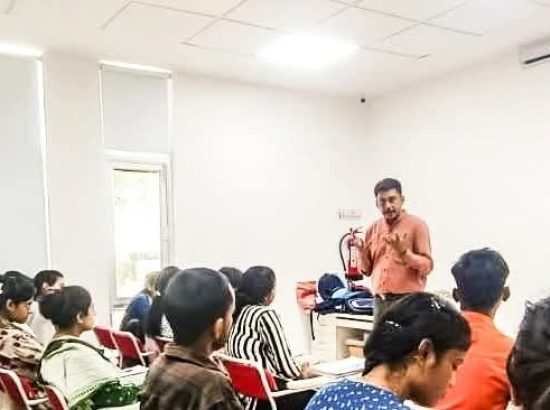
Creativity encourages innovation and new ways of thinking. Digital literacy is another important part of these programs. Participants learn how to use computers, mobile devices, online tools, and digital platforms responsibly and effectively. This includes basic computer skills, internet usage, online safety, and use of productivity tools. Our 21st Century Skills Programs are delivered through workshops, interactive sessions, group activities, role plays, and real-world projects. This practical approach helps
Awareness Programs
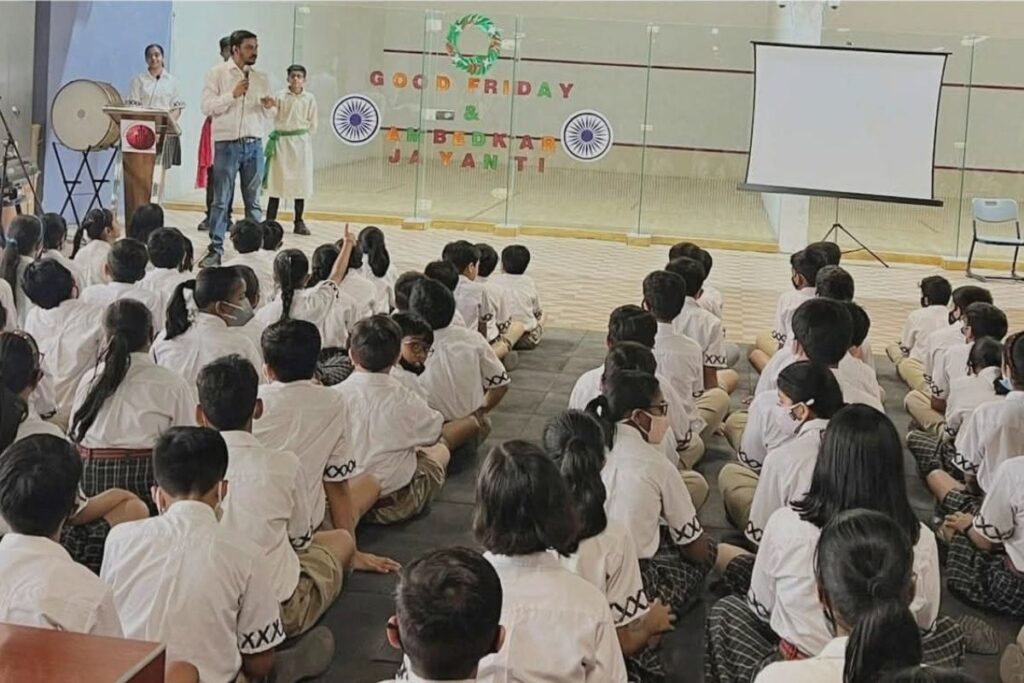
All our awareness programs focus on educating individuals and communities about important social, economic, and personal development issues. Many challenges exist because people lack information or do not understand the consequences of their actions.
Our awareness programs aim to fill this gap by sharing knowledge in a simple and relatable way. These programs cover topics such as health, hygiene, education, career options, digital safety, gender equality, mental well-being, legal rights, and social responsibilities.
These programs help people make informed decisions and improve their quality of life. All our awareness programs use various methods such as workshops, seminars, street plays, group discussions, campaigns, and digital outreach.
Our content is usually delivered in local languages and simple terms so that everyone can understand. One important goal of our awareness programs is behavior change. When people understand the benefits of positive actions and the risks of harmful habits, they are more likely to adopt healthier and safer practices.
Financial Literacy Programs
WEEE Foundation organizes Financial Literacy Programs that teach individuals how to manage money wisely and make informed financial decisions. Many people face financial difficulties not because they earn too little, but because they lack basic knowledge about saving, spending, and planning.
These programs cover essential topics such as budgeting, saving, banking, loans, interest, insurance, digital payments, investments, and financial security. Participants learn how to track income and expenses, avoid unnecessary debt, and plan for future needs.
Programs are delivered through simple explanations, real-life examples, practical exercises, and interactive sessions.

Participants may also learn about government schemes, financial rights, and safe use of digital financial services. These financial literacy programs are focused to increase confidence and independence. People who understand money matters are better prepared to handle emergencies, achieve goals, and support their families.
Job Fairs
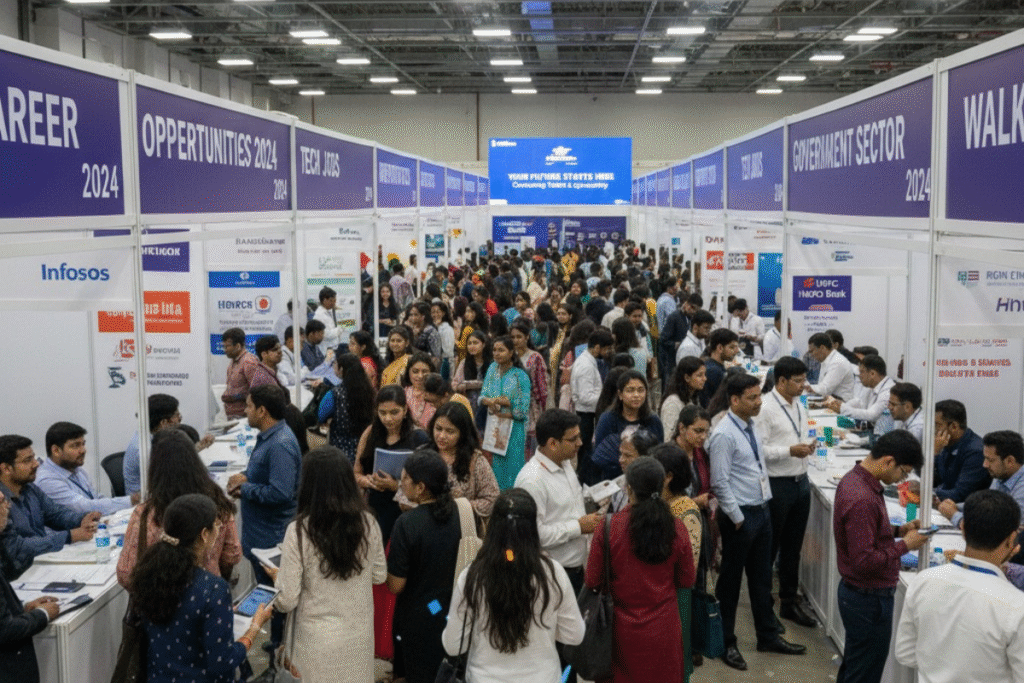
WEEE Foundation organizes job Fairs are organized events that connect job seekers with employers in one place.
They provide opportunities for individuals to explore career options, apply for jobs, and interact directly with companies and organizations. These fairs are focused to benefit students, fresh graduates, skilled workers, and experienced professionals.
Employers from different industries participate to meet potential candidates, conduct interviews, and share information about job openings. We also include career guidance sessions, resume writing support, interview preparation tips, and skill assessment activities.
Upskilling Programs
At WEEE Foundation all our upskilling Programs focus on improving existing skills or learning new skills to meet current and future job market demands.
As industries evolve, skills can become outdated. Upskilling helps individuals stay relevant and competitive. Our programs cover technical skills, digital skills, soft skills, and industry-specific knowledge. Examples include computer training, data skills, language skills, vocational training, and professional certifications.
These programs are designed for students, job seekers, and working professionals. Its focused to help individuals improve performance, increase employability, and access better career opportunities.
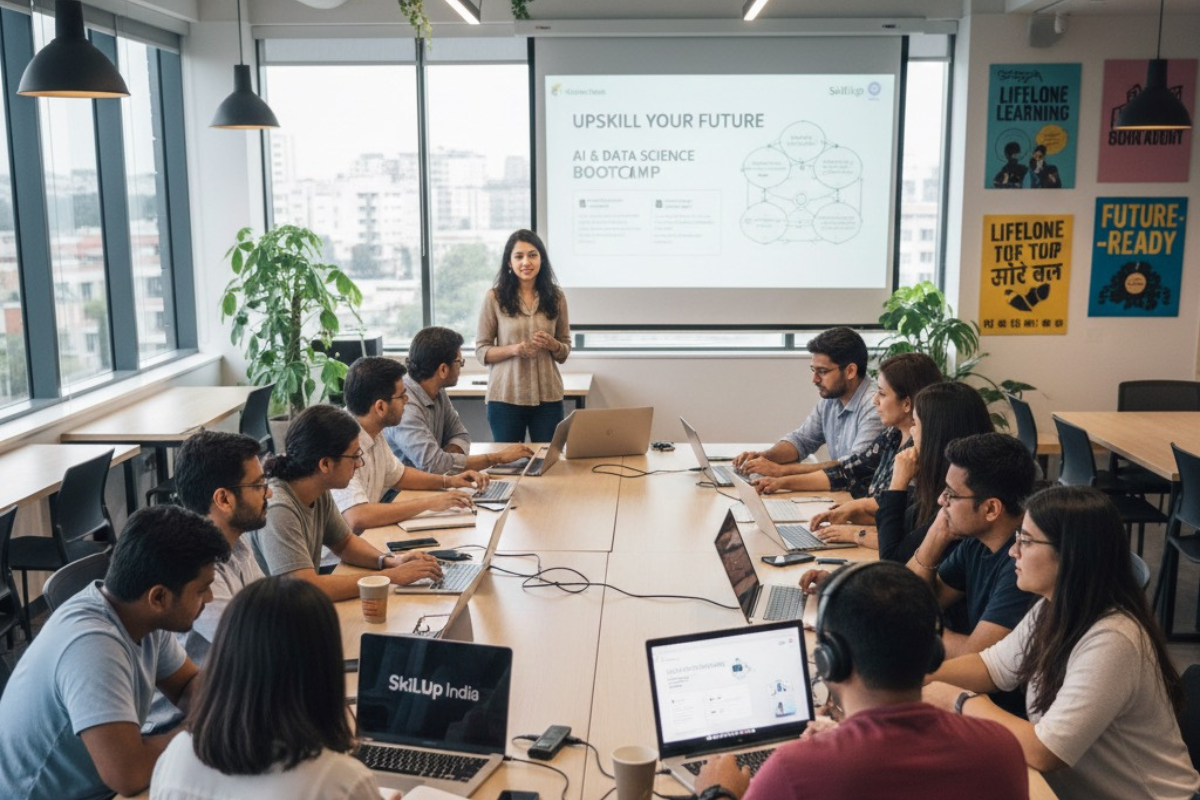
Our Training is usually practical and hands-on. Every participant learns through workshops, simulations, projects, and real-world examples. Many programs also offer mentorship and career guidance. These upskilling supports economic growth by creating a skilled workforce that meets industry needs. It also boosts confidence and self-reliance among individuals.