Environment
Clean Up Drives
Organizing community-driven clean-up drives to maintain cleaner environments.
Organizing community-driven clean-up drives to maintain cleaner environments. WEEE Foundation organizes Clean Up Drive activities which is aimed at removing waste from public spaces such as streets, parks, beaches, lakesides, riversides, schools, and residential areas at par with SWACH BHARAT MISSION. These drives help create cleaner, healthier, and safer environments for people and wildlife. Waste left in open areas causes pollution, spreads diseases, blocks drainage systems, and harms animals. Clean up drives directly address these problems. Our main purpose of clean up drives is not only to collect waste but also to build awareness and responsibility among people. Through these drives we also promote teamwork and community bonding. Clean up drives often include short awareness sessions on waste reduction, recycling, and proper disposal methods. This ensures that the impact of the drive continues even after the activity is completed.
Read MorePlantation (Miyawaki)
Promoting green spaces through the Miyawaki method to restore biodiversity.
Promoting green spaces through the Miyawaki method to restore biodiversity. At WEEE Foundation we are working towards Carbon neutral India by 2070.We on our part focus on creating green covers through various green initiatives like plantation both normal and Miyawaki technique.We emphasize on using native species of the local area. Miyawaki Plantation is a special method of growing dense, fast-growing forests using native tree species.Unlike traditional plantations where trees are planted far apart, Miyawaki plantations involve planting saplings very close to each other. Native species such as trees, shrubs, and ground plants are selected based on the local soil and climate. This helps the forest grow naturally and become self-sustaining. These plantations provide many benefits. They improve air quality, increase oxygen levels, reduce noise pollution, support biodiversity, and help control temperature in urban areas. Birds, insects, and small animals return to these green spaces, restoring natural ecosystems.
Read MoreWaterbody Restoration
Reviving water bodies through restoration projects to ensure ecosystem health.
Reviving water bodies through restoration projects to ensure ecosystem health. Our water body restoration focuses on reviving polluted and damaged water bodies.Ponds, lakes and rivers are essential sources of water for drinking, farming, wildlife, and daily use. Over time, many water bodies have become polluted due to waste dumping, sewage discharge, encroachment, and lack of maintenance. Restoration projects aim to clean, protect, and revive these water bodies. Activities include removing solid waste, clearing invasive plants, desilting, improving water flow, treating sewage before discharge, and restoring natural vegetation around the water body. Healthy ponds,lakes and rivers help recharge groundwater, prevent flooding, and support aquatic life. Restored water bodies also improve local climate and provide recreational spaces for communities. Community participation is very vital in waterbody restoration.We organize community awareness programs aimed to help people understand the importance of protecting water resources and avoiding pollution. Local residents, schools, and volunteers often take responsibility for monitoring and maintaining restored areas. Under these restoration projects we work closely with local stakeholders, government bodies and environmental experts to ensure long-term sustainability. Rules are enforced to prevent further pollution and encroachment.
Read MoreCarbon Footprint Projects
Enhancing urban green cover by planting trees in cities to combat pollution.
Enhancing urban green cover by planting trees in cities to combat pollution. At WEEE Foundation our carbon footprint projects focus on measuring and reducing the amount of carbon emissions produced by individuals, organizations, or activities. This may include tree planting, energy efficiency programs, waste reduction, and use of renewable energy. Urban Plantation and Carbon Footprint Projects aim to reduce pollution and fight climate change in cities. Rapid urbanization has led to loss of green spaces, increased air pollution, and higher carbon emissions. Our projects address these challenges by increasing greenery and reducing environmental impact. Urban plantation involves planting trees in cities, including roadsides, parks, residential areas, schools, offices, and vacant lands. Trees absorb carbon dioxide, release oxygen, reduce heat, and improve air quality. They also enhance the beauty of urban areas. These projects often involve community participation, corporate partnerships, and school programs. Participants learn about climate change, carbon emissions, and sustainable living practices. These projects of ours help reduce pollution, fight climate change, and create greener cities for a better future.
Read MoreWaste Management
Implementing sustainable waste management practices to reduce environmental footprint.
Implementing sustainable waste management practices to reduce environmental footprint. At WEEE Foundation we focus on the proper collection, segregation, treatment, recycling, and disposal of waste. With increasing population and consumption, waste generation has become a major environmental challenge in India today. Poor waste management leads to pollution, health problems, and environmental damage and we are making sure that we address this issue in totality. Our waste management programs also include awareness campaigns that teach people to reduce waste, reuse materials, and recycle responsibly. Simple habits like avoiding single- use plastic and composting at home make a big difference.We are also working to create digital tools to track waste and address the issue of e-waste. Our waste management program focuses on collective community involvement as essential tool for successful waste management. We are closely working with schools, households, offices, and local authorities across India.
Read MoreClean Up Drives
Organizing community-driven clean-up drives to maintain cleaner environments. WEEE Foundation organizes Clean Up Drive activities which is aimed at removing waste from public spaces such as streets, parks, beaches, lakesides, riversides, schools, and residential areas at par with SWACH BHARAT MISSION.
These drives help create cleaner, healthier, and safer environments for people and wildlife. Waste left in open areas causes pollution, spreads diseases, blocks drainage systems, and harms animals.
Clean up drives directly address these problems. Our main purpose of clean up drives is not only to collect waste but also to build awareness and responsibility among people.
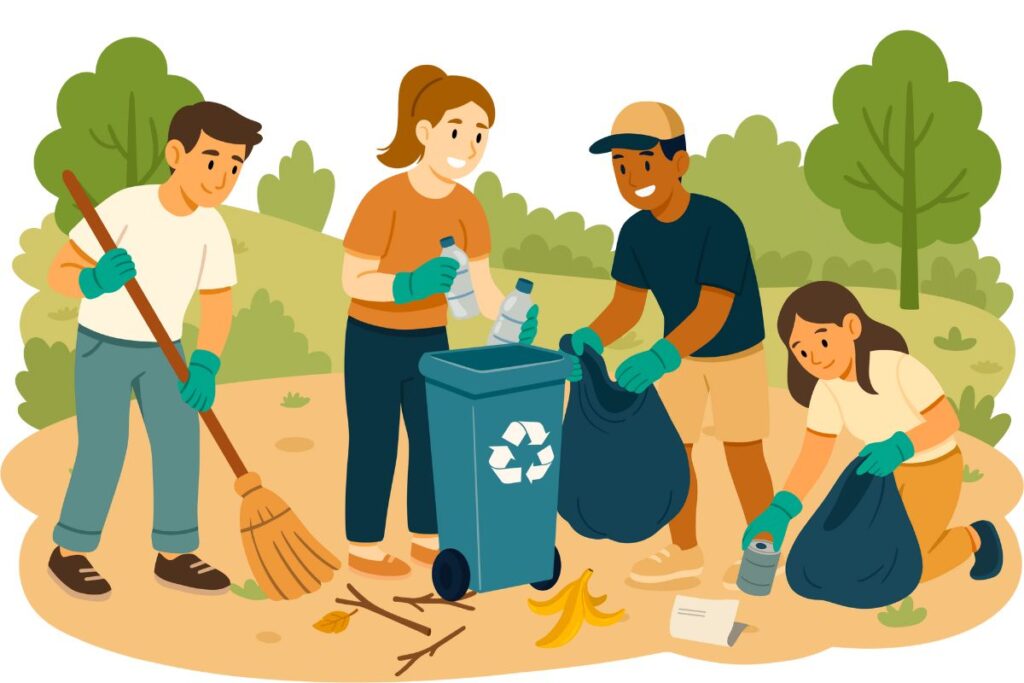
Through these drives we also promote teamwork and community bonding. Clean up drives often include short awareness sessions on waste reduction, recycling, and proper disposal methods. This ensures that the impact of the drive continues even after the activity is completed.
Plantation (Miyawaki)
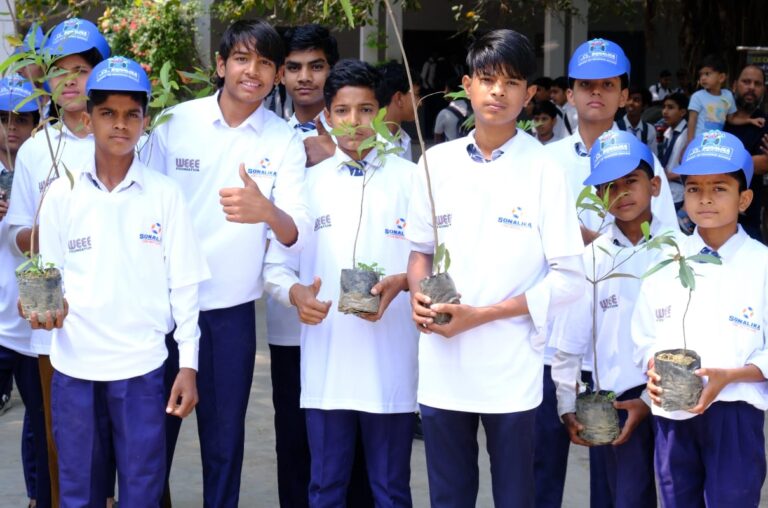
Promoting green spaces through the Miyawaki method to restore biodiversity. At WEEE Foundation we are working towards Carbon neutral India by 2070.
We on our part focus on creating green covers through various green initiatives like plantation both normal and Miyawaki technique.We emphasize on using native species of the local area.
Miyawaki Plantation is a special method of growing dense, fast-growing forests using native tree species.Unlike traditional plantations where trees are planted far apart, Miyawaki plantations involve planting saplings very close to each other. Native species such as trees, shrubs, and ground plants are selected based on the local soil and climate.
This helps the forest grow naturally and become self-sustaining. These plantations provide many benefits. They improve air quality, increase oxygen levels, reduce noise pollution, support biodiversity, and help control temperature in urban areas. Birds, insects, and small animals return to these green spaces, restoring natural ecosystems.
Waterbody Restoration
Reviving water bodies through restoration projects to ensure ecosystem health.
Our water body restoration focuses on reviving polluted and damaged water bodies.Ponds, lakes and rivers are essential sources of water for drinking, farming, wildlife, and daily use. Over time, many water bodies have become polluted due to waste dumping, sewage discharge, encroachment, and lack of maintenance.
Restoration projects aim to clean, protect, and revive these water bodies. Activities include removing solid waste, clearing invasive plants, desilting, improving water flow, treating sewage before discharge, and restoring natural vegetation around the water body.
Healthy ponds, lakes and rivers help recharge groundwater, prevent flooding, and support aquatic life. Restored water bodies also improve local climate and provide recreational spaces for communities. Community participation is very vital in waterbody restoration.We organize community awareness programs aimed to help people understand the importance of protecting water resources and avoiding pollution. Local residents, schools, and volunteers often take responsibility for monitoring and maintaining restored areas. Under these restoration projects we work closely with local stakeholders, government bodies and environmental experts to ensure long-term sustainability. Rules are enforced to prevent further pollution and encroachment.
Carbon Footprint Projects
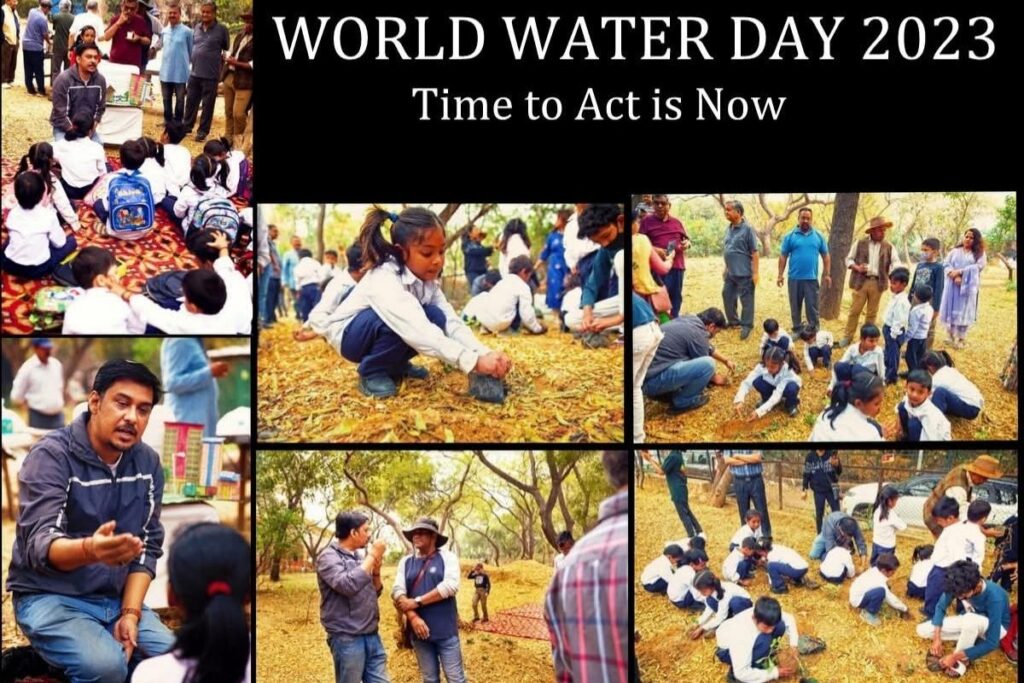
Enhancing urban green cover by planting trees in cities to combat pollution. At WEEE Foundation our carbon footprint projects focus on measuring and reducing the amount of carbon emissions produced by individuals, organizations, or activities.
This may include tree planting, energy efficiency programs, waste reduction, and use of renewable energy. Urban Plantation and Carbon Footprint Projects aim to reduce pollution and fight climate change in cities.
Rapid urbanization has led to loss of green spaces, increased air pollution, and higher carbon emissions. Our projects address these challenges by increasing greenery and reducing environmental impact.
Urban plantation involves planting trees in cities, including roadsides, parks, residential areas, schools, offices, and vacant lands. Trees absorb carbon dioxide, release oxygen, reduce heat, and improve air quality. They also enhance the beauty of urban areas. These projects often involve community participation, corporate partnerships, and school programs. Participants learn about climate change, carbon emissions, and sustainable living practices. These projects of ours help reduce pollution, fight climate change, and create greener cities for a better future.
Waste Management
Implementing sustainable waste management practices to reduce environmental footprint. At WEEE Foundation we focus on the proper collection, segregation, treatment, recycling, and disposal of waste.
With increasing population and consumption, waste generation has become a major environmental challenge in India today. Poor waste management leads to pollution, health problems, and environmental damage and we are making sure that we address this issue in totality.
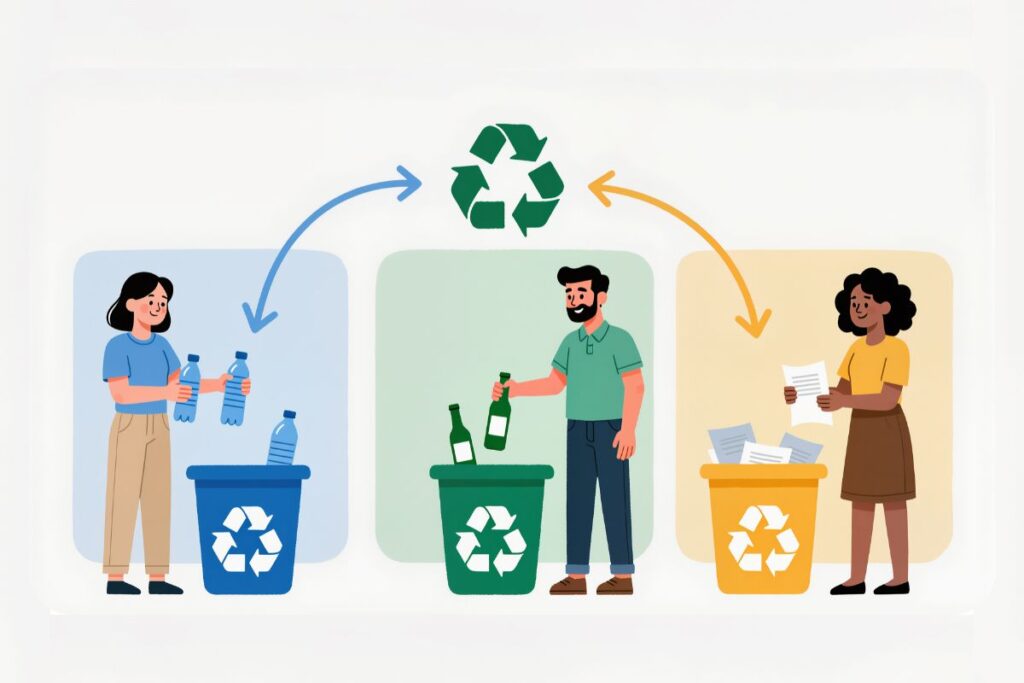
Our waste management programs also include awareness campaigns that teach people to reduce waste, reuse materials, and recycle responsibly. Simple habits like avoiding single- use plastic and composting at home make a big difference.
We are also working to create digital tools to track waste and address the issue of e-waste. Our waste management program focuses on collective community involvement as essential tool for successful waste management. We are closely working with schools, households, offices, and local authorities across India.