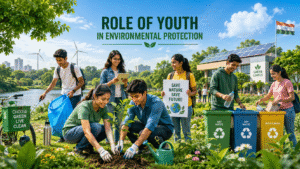
Role of Youth in Environmental Protection
Most environmental protection discussions revolve around governments, industries, or international organizations. While these players are crucial, another group we should consider is the young people.
Most environmental protection discussions revolve around governments, industries, or international organizations. While these players are crucial, another group we should consider is the young people.
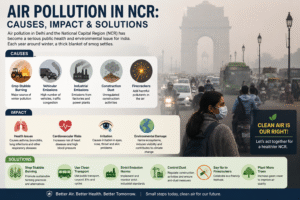
Air pollution in Delhi and the National Capital Region (NCR) has become a serious public health
and environmental issue for India. Each year around winter, a thick blanket of smog settles,
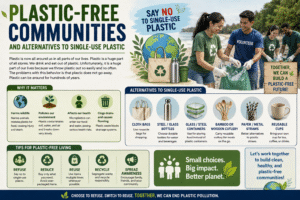
Plastic is now all around us in all parts of our lives. Plastic is a huge part of all stores. We drink and eat out of plastic. Unfortunately, it is a huge part of our lives because we throw plastic out so easily and so often. The problems with this behavior is that plastic does not go away. Plastic can be around for hundreds of years.
You’ve probably heard of the term “carbon footprint.” It has something to do with climate change. A carbon footprint is the amount of bad gases released into the air by a person or group. These bad gases come from things we do every day. For example driving a car using electricity buying things or wasting food.
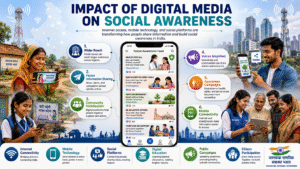
Digital media has become a main source of information for millions of Indians. The increase of internet connectivity, mobile technology and social media platforms has changed how people share and access information across the country. As digital access has grown, social issues can now reach larger audiences through online platforms.
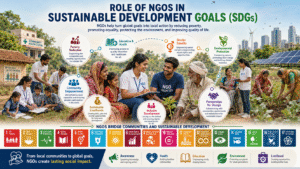
When the United Nations adopted the Sustainable Development Goals (SDGs) in 2015, it introduced an ambitious global agenda aimed at ending poverty, reducing inequality, protecting the environment, and improving the quality of life for people across the world by 2030 (United Nations, 2015). The 17 SDGs recognise that development is interconnected.
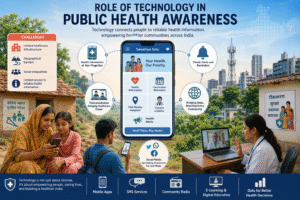
India is home to more than 1.4 billion people, but access to reliable health information varies across regions and communities. Challenges like limited healthcare infrastructure, geographical barriers, and social inequalities often affect the availability of health information, especially in rural and underserved areas. In recent years, technology has become a vital tool for tackling these issues.
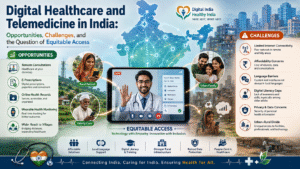
Digital healthcare and telemedicine have redefined healthcare accessibility in India, especially after the COVID-19 pandemic. During this period, telemedicine emerged as an important alternative to physical consultations and was further supported by government initiatives such as the Ayushman Bharat Digital Mission.